Printable guide
Cenote Zacil-Ha Guide: Swimming, Zipline and Planning a Visit Near Tulum
Updated
Cenote Zacil-Ha is an accessible, family-friendly swimming cenote on the Tulum–Cobá road. This practical guide covers the water, zipline, facilities, transport, timing, safety, and how to combine it with nearby cenotes.

Cenote Zacil-Ha is a good choice when you want a straightforward freshwater swim rather than a demanding cave excursion. It is on the Tulum–Cobá road, west of Tulum town, and is built around a clear open pool with platforms, a small zipline, shaded areas, and facilities that make a longer family stop possible. The cenote is not enormous, and it can feel busy when several groups arrive together, but its easy water access and playful layout give it a different character from the darker cavern cenotes along the highway corridor.
The practical decision is whether Zacil-Ha suits the day you are trying to build. It works well after the Tulum ruins, before or after a visit toward Cobá, or as a half-day outing from Tulum Pueblo. It is less convincing if you want a remote, quiet swim, a serious cavern dive, or a full day of exploring several very different cenotes. The pool is compact, the zipline can add noise and activity, and changeable operational details mean that you should confirm current hours, entrance fees, payment options, and inclusions before leaving your hotel.
This guide keeps those distinctions clear. It explains what the cenote is like, who will enjoy it, how to get there, what to bring, how to use the platforms safely, and how to compare Zacil-Ha with Carwash, Gran Cenote, Dos Ojos, and other nearby stops without treating them as interchangeable.
Quick answer
| Question | Practical answer |
|---|---|
| Where is Cenote Zacil-Ha? | On the Tulum–Cobá road in Tulum Municipality, west of Tulum town in Quintana Roo. |
| What is it like? | A managed open cenote with clear freshwater, a compact swimming area, platforms, and a small zipline. |
| Is it good for children? | Often, yes, for families whose children are comfortable in cool water and can follow life-jacket and platform rules. Supervise closely. |
| Is it a cave cenote? | It is primarily an open swimming cenote, although there are cave-like areas and connected underground systems in the wider area. Do not enter restricted sections without qualified guidance. |
| Do you need a car? | A car, taxi, private transfer, or organized tour is easiest. The cenote is not walkable from central Tulum. |
| How long should you allow? | Around two to three hours at the cenote is a comfortable starting point, plus transport time. Add more if you eat there or combine it with ruins. |
| Is it quiet? | It can be calm early or on a less busy day, but the small pool and zipline mean that peak periods may feel active rather than secluded. |
| What changes most often? | Opening times, prices, payment methods, food service, equipment availability, and access rules. Verify locally before visiting. |
The short version: choose Zacil-Ha if you want a convenient, family-oriented swim with a little activity built in. Choose another cenote if your priority is solitude, dramatic cave formations, a large snorkeling area, or a specialist dive.
What Cenote Zacil-Ha is like
Zacil-Ha is a natural freshwater pool surrounded by jungle, with a developed visitor area around the water. The name is also written as Zazil-Ha in some travel material, so check both spellings when looking at maps or asking for directions. The site is commonly associated with Tulum because it is an easy excursion from town, but it is not in the beach hotel zone and should not be treated as a walkable Tulum attraction.
The pool is open to the sky, which gives it a brighter and more social atmosphere than a closed cavern. Sunlight reaches the water at different angles through the day, while trees and structures provide shade around the edges. The water is typically clear enough to see fish and underwater rock, although visibility is not a guarantee: swimmers, sunscreen residue, rain, and busy periods can all affect how the water looks.
There are platforms and jumping points, but their use is controlled by the site’s rules and staff. The zipline is a short ride over the water rather than a major adventure-park attraction. For many families, that is exactly the appeal: a child can swim, watch other visitors use the line, and try it if they meet the current requirements. For visitors looking for a quiet natural pool, the same activity may be a drawback.
The surrounding facilities are part of the reason Zacil-Ha is easier for a mixed-age group than a very basic cenote. Published descriptions and visitor reports mention restrooms, changing areas, life jackets, food service, pools or recreational areas, and simple accommodation or cabins. The exact condition and availability of each facility can change. Treat the list as a planning guide, not a promise that every amenity will be open or included on the day you arrive.
 Cenote Zacil-Ha in Tulum Municipality, Quintana Roo
The most important visual point is scale. Zacil-Ha is attractive, but it is not a huge lagoon. If you arrive expecting a broad lake where everyone can spread out, you may find the swimming area smaller than imagined. If you arrive expecting a manageable, clear cenote where you can cool off, swim, and let children experience a supervised adventure setting, it makes more sense.
Who should visit Zacil-Ha?
Families with children
Zacil-Ha is a sensible option for families because the entry is more organized than at some rustic cenotes, the water is easy to see from the surrounding deck, and there are activities beyond simply floating. Children who like jumping, sliding, or trying a zipline may stay engaged longer than they would at a quiet swimming hole.
That does not make it a child-care environment. A cenote is a natural body of water with uneven edges, wet surfaces, submerged rock, and changing depth. Keep a parent or responsible adult close to non-swimmers. Use the life jacket provided or required by the site, especially for children who are not strong swimmers. Do not assume a child is safe because the water appears calm or because another visitor is jumping nearby.
The water can feel cool after a hot drive. A child who is happy in a warm hotel pool may need time to adjust. Bring a dry layer and a towel for the journey back, and avoid planning a second water activity immediately afterward if the group tires easily.
Couples and independent travelers
Couples can enjoy Zacil-Ha when convenience matters more than isolation. It is easy to combine with a road trip toward Cobá or with another cenote on the Tulum side. Go with realistic expectations: the site’s family facilities and zipline create a livelier atmosphere than an undeveloped jungle pool.
Independent travelers should be comfortable checking directions, carrying cash as a backup, and confirming their return transport. A rental car provides the most flexibility. A taxi can work if the driver is arranged in advance and understands the exact destination and pickup plan.
Swimmers and casual snorkelers
Zacil-Ha suits people who want to get in the water without booking a technical activity. Bring your own mask if you care about fit and clarity, but check the current rules before entering. Some operators restrict fins, flotation devices, cameras, or sunscreen in ways that protect the water and reduce accidents.
Snorkeling here is best treated as a close look at freshwater rather than a reef-style excursion. There are no Caribbean corals, sea turtles, or ocean surge. You may see small fish and limestone details, but the experience is primarily a swim in a cenote.
Visitors with mobility limitations
Ask the operator for current access information before booking. Even when a site has developed walkways, the transition to the water may include steps, wet surfaces, uneven ground, and platform ladders. The practical question is not just whether you can reach the property; it is whether you can comfortably reach the swimming area, use the restroom, and return to the vehicle after swimming.
Do not rely on a generic tour listing to answer this. Request current details about stairs, handrails, water entry, changing areas, and assistance. Conditions can vary after rain or maintenance.
How to get to Cenote Zacil-Ha
From Tulum Pueblo
The cenote is west of Tulum on the road toward Cobá. From Tulum Pueblo, the route is a straightforward drive out of town, but traffic, roadworks, bicycles, and the final entrance can make the journey slower than a map estimate suggests. Save the location and directions before leaving. The exact entrance signage and access arrangements can change, so use the current directions from the property as well as your map application.
A taxi from Tulum can be convenient, but agree in advance whether the driver will wait or return at a set time. Do not assume you will be able to flag down another taxi at the cenote, particularly if you visit late in the day or outside the busiest periods. Keep the driver’s number accessible and confirm the pickup point before getting out.
From Tulum beach hotels
The beach zone is farther from the cenote than Tulum Pueblo and may involve moving through busy town roads before joining the Cobá route. A private transfer or organized tour is often simpler for families staying on the coast. If you use a taxi, ask for the specific cenote rather than saying only “a cenote near Tulum.” Zacil-Ha, Carwash, Gran Cenote, Dos Ojos, and other sites are separate destinations.
Build in return time. A driver who agrees to collect you at a beach hotel should know whether your group intends to eat, swim for several hours, or add another stop. A fixed departure time can be stressful when children are changing, towels are wet, and food has taken longer than expected.
From Playa del Carmen or Akumal
Zacil-Ha is possible as a day trip from Playa del Carmen or Akumal, but it is more naturally combined with a Tulum-and-Cobá route than treated as a quick detour from the federal highway. From Playa del Carmen, expect a longer outing with highway and town traffic. From Akumal, the drive first takes you toward Tulum before turning west.
A rental car gives you the freedom to combine Zacil-Ha with Gran Cenote, Cenote Calavera, or Cobá, but avoid trying to fit every attraction into one day. Each stop includes parking, walking, changing, showers, and possible waiting at the entrance. Two thoughtful stops usually work better than a checklist of four.
By colectivo or public transport
Public transport along the main Riviera Maya corridor does not deliver you directly to Zacil-Ha. A colectivo can move you along a main route, but you would still need to arrange the final section and a reliable return. That makes the trip less attractive for first-time visitors, families, and anyone with a timed reservation.
Budget travelers who know the area may combine public transport with a taxi, but calculate the complete return journey before setting out. The cheapest one-way leg is not useful if the last vehicle back is uncertain. For most visitors, a shared tour or prearranged transfer offers better control.
When to visit
Early arrival is usually the best strategy if you want the calmest experience and the clearest chance of using the water without a queue. It also gives you more flexibility if the group wants to continue to another stop. A late arrival can work for a short swim, but it leaves less margin for traffic, changing conditions, or a busy entrance.
Weekends and Mexican holiday periods can be more active. The small scale of the cenote matters: a site that feels pleasantly social with a moderate crowd can feel crowded when several families and tour groups arrive at once. If quiet water is important, choose a weekday when possible and confirm the day’s opening arrangements.
Weather changes the experience. A hot, sunny day makes the freshwater particularly appealing, while rain may reduce visibility and make decks and steps slippery. Lightning or severe weather can affect swimming and zipline operations. Do not argue with staff about a temporary closure; natural-water safety takes priority.
Sargassum does not affect a freshwater cenote in the same way it affects the Caribbean beach, which is one reason a cenote remains a useful backup on a seaweed-heavy beach day. However, a cenote is not automatically perfect during every weather condition. Heavy rain, local runoff, maintenance, or high visitor numbers can affect the water and facilities.
Published operating hours have appeared in different forms across travel sites and listings. Verify current hours directly before you go, especially if your plan depends on arriving early, visiting on a holiday, or connecting the cenote with a ruin site that has its own schedule.
What to bring
Pack lightly, but bring the things that make a freshwater stop easier:
- Swimsuit worn under dry clothes if you want to change quickly.
- Towel and a dry layer for the ride home.
- Water in a reusable bottle, kept away from the swimming water.
- Cash in Mexican pesos as a backup for admission, food, lockers, or equipment. Confirm current accepted payment methods rather than assuming cards will work.
- A well-fitting mask if you prefer your own snorkeling gear.
- Reef-safe or biodegradable products only if the operator permits them. Many cenotes ask visitors to shower first and prohibit sunscreen before swimming.
- Water shoes or secure sandals for wet walkways and rough ground.
- A waterproof pouch for a phone, but follow rules about photography and jumping areas.
- Any medication your group needs, since the site is outside the town center.
Avoid bringing valuables that you cannot secure. A phone left beside the water is vulnerable to splashes and accidental loss, and a crowded deck is not the place to monitor a large collection of belongings. Ask about lockers before you arrive if you need secure storage; do not assume one is included in admission.
Do not bring food or drinks into the water. Cenotes are connected to groundwater systems, and keeping them clean is part of the visitor responsibility. Shower as instructed, do not touch underwater formations, and take all disposable packaging with you if the site does not provide a suitable bin.
Swimming, platforms and the zipline
The main activity at Zacil-Ha is swimming in clear freshwater. Enter slowly, let your eyes adjust, and check where the platform edge ends. Even a familiar-looking pool can have depth changes and submerged rock. Follow the staff’s instructions about where to enter, where to jump, and whether life jackets are required.
The zipline is a fun addition, but it changes the rhythm of the cenote. Visitors may queue, jump in succession, and swim across the landing area. Watch the line and wait until the previous person has cleared the water. Do not swim under a person launching, and do not climb onto a platform until staff say it is your turn.
Children should not be pressured to use the zipline. Watching from the deck can be enough, particularly if they are tired, nervous about the height, or uncomfortable in cool water. Adults should model the rules rather than encouraging increasingly high-risk jumps for a photograph.
If a platform or line is closed, accept the closure. Equipment may be under inspection, water conditions may have changed, or staff may be managing the crowd. The attraction is not worth a preventable injury.
The water is fresh, not salty, and generally much less buoyant than the sea. Non-swimmers may find it harder to float without a life jacket. Swim close to the edge only where permitted, and keep children within arm’s reach rather than relying on a railing or inflatable toy.
Facilities and food
Zacil-Ha is more developed than a basic roadside cenote. Visitor information commonly mentions restrooms, changing areas, showers, life jackets, restaurant service, pools or recreational spaces, and simple lodging. This can make it useful for families who need a place to spend several hours rather than a quick swim-and-leave stop.
Facility quality is not static. A restroom, shower, locker, restaurant, or pool can be closed temporarily, and the food menu may change. Bring enough water and a backup snack for the journey, but do not assume outside food is allowed in every area. Confirm rules at the entrance.
If you plan to eat there, leave time. A meal can turn a two-hour swim into a half-day outing, which is fine if your transport and other reservations allow it. It is less fine if you have booked a timed archaeological-site entry or a return transfer. Ask whether food service is operating before you order your day around it.
Cabins or rustic accommodation may be promoted by the property. Treat this as a separate booking decision. Ask about what is included, bathroom arrangements, air conditioning, bedding, check-in, and transport rather than assuming that a cenote day pass and a room are the same product.
Safety and cenote etiquette
Cenotes are natural environments, even when they have decks, restaurants, and staff. The following rules are simple but important:
- Shower before entering. Sunscreen, insect repellent, makeup, and body oils can affect freshwater and the organisms that depend on it. Follow the property’s product policy.
- Wear a life jacket when required. A life jacket is not an admission that you are a poor swimmer; it is a sensible response to cool water, fatigue, and depth.
- Use marked entry points. Do not climb over rocks or jump from an unapproved ledge.
- Protect your head and back. Never dive unless the staff explicitly identify a safe diving area and depth. Most casual jumps should be feet first.
- Leave formations alone. Do not touch stalactites, roots, fish, or submerged rock. Natural oils and physical contact damage fragile surfaces.
- Keep the water clean. No food, drinks, glass, or loose packaging in the swimming area.
- Respect the queue. The zipline and platforms are shared facilities, not personal photo sets.
- Watch children continuously. A cenote’s quiet surface can hide depth and movement below.
- Do not swim beyond the public zone. Connected cave systems are for qualified divers and trained guides, not casual exploration.
- Follow weather closures. Staff may restrict swimming or the zipline for reasons that are not visible from the deck.
If you are diving, Zacil-Ha is not a substitute for a proper cavern or cave-diving plan. An overhead environment requires appropriate training, equipment, gas management, line awareness, and a qualified guide. Do not enter an underwater passage because another visitor says it is safe.
Zacil-Ha compared with nearby cenotes
Zacil-Ha vs Carwash
Cenote Carwash, also known as Aktun Ha, is a separate cenote on the Tulum–Cobá route and is often considered as a nearby pairing. Carwash has a more open, natural swimming feel and is known for its underwater features and diving interest. Zacil-Ha is the more obviously managed, activity-oriented option, with platforms and a zipline.
Choose Zacil-Ha for family facilities and a playful swim. Choose Carwash if the group prefers a more spacious natural setting or has a specific snorkeling and diving interest. Check current entrance arrangements before planning to visit both; proximity does not mean a single ticket or shared operation.
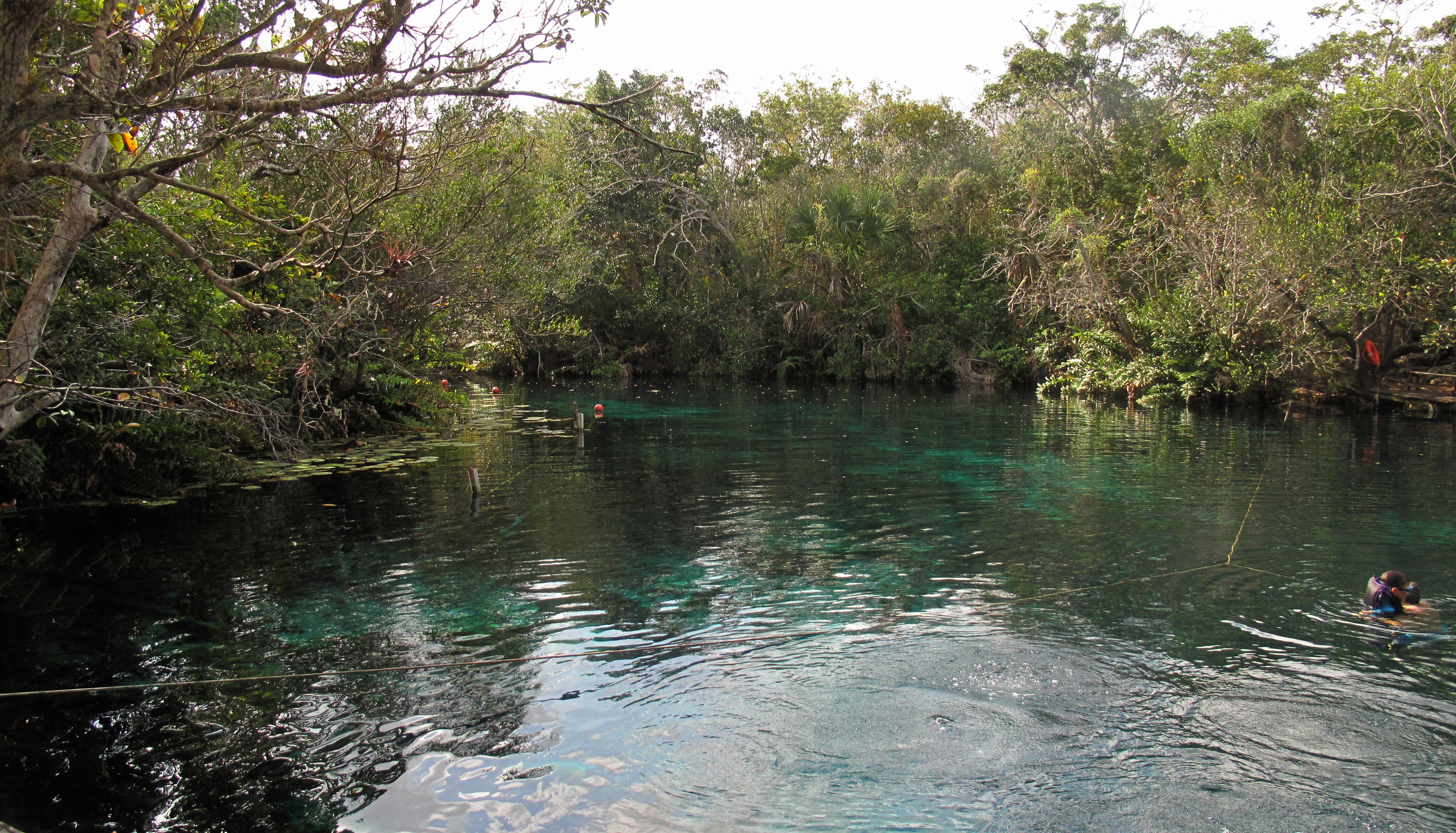 Carwash Cenote in Quintana Roo, a separate nearby freshwater site
The image above shows Carwash, not Zacil-Ha. The sites are often grouped together in itineraries because both are in the Tulum area, but they offer different layouts. Keep that distinction in mind when comparing photographs online.
Zacil-Ha vs Gran Cenote
Gran Cenote is one of the best-known cenotes near Tulum and has a more recognizable mix of open water, cave passages, platforms, and snorkeling. It can be beautiful and convenient, but popularity also means crowds and a higher level of advance planning at busy times. Gran Cenote is a better fit if the group wants a classic Tulum cenote experience with cave-like sections and is willing to accept a busier visitor environment.
Zacil-Ha is often the easier choice for a relaxed family swim with a zipline. Gran Cenote may be more satisfying for visitors who want to look through openings, swim around limestone, and spend more time snorkeling. Neither is automatically better; they answer different questions.
 Gran Cenote and limestone cavern near Tulum
Zacil-Ha vs Dos Ojos
Dos Ojos is in the wider cenote corridor between Tulum and Akumal and is associated with cavern diving and striking underwater visibility. It is a dedicated excursion from Tulum, with access arrangements and guide requirements that differ from Zacil-Ha. The setting is more cave-focused and less like a family recreation area.
Choose Dos Ojos for a major cave-cenote experience, especially with a qualified dive guide. Choose Zacil-Ha for a simpler open-water stop with activities and facilities. Do not use a Dos Ojos photograph to represent Zacil-Ha, even though the sites are in the same broad region.
Zacil-Ha vs Cenote Calavera
Cenote Calavera is close to Tulum and is known for its three small roof openings and a more raw, compact entrance. It can be memorable for confident swimmers who want a different kind of access, but the openings and jumping setup are not as family-friendly for every group. Zacil-Ha is more comfortable for families who want a visible deck, organized water entry, and facilities.
Cenote Calavera is better as a short, distinctive stop for the right swimmer. Zacil-Ha is better when you want the site itself to support a longer family outing.
Zacil-Ha vs an all-inclusive park
Large Riviera Maya parks may include cenote swimming alongside zip lines, buffet meals, transport, guides, and several attractions. Zacil-Ha is much smaller and less packaged. That can be an advantage if you only want freshwater and do not want to spend a full day inside a major park. It can be a disadvantage if your group expects a full schedule of polished activities, included meals, and transport from the hotel.
The right comparison is not simply admission price. Compare the full day: transport, entrance, food, equipment, time, and how much of the advertised program your group will actually use.
Good combinations for a half-day or full day
Zacil-Ha plus Tulum ruins
This is one of the most natural combinations from Tulum. Visit the archaeological site when the heat is more manageable, then cool down in freshwater. Do not assume that the cenote will be a quick final stop if everyone is hungry and tired; allow time for changing, food, and the drive back to town.
The ruins and cenote have different practical needs. Bring sun protection for the archaeological area, then follow the cenote’s shower and product rules. Keep valuables and wet clothing organized so the vehicle does not become cluttered during the second half of the day.
Zacil-Ha plus Cobá
Zacil-Ha is on the route toward Cobá, making it possible to create a history-and-water day. This works best with an early start and a clear order. Visit the ruins during the cooler part of the day or follow the current schedule that suits your transport, then use the cenote as a slower stop. Verify both attractions’ current opening arrangements separately.
Cobá involves walking or cycling over a broad archaeological landscape, while Zacil-Ha involves swimming and wet surfaces. Comfortable shoes, a dry change of clothes, and enough drinking water make the combination easier.
Zacil-Ha plus Carwash
Pairing two nearby cenotes can work for adults or older children who enjoy water activities. The two experiences should not be rushed. Start with the site that has the more important timing or the activity your group is most excited about, then use the second as an optional stop.
If the first cenote is crowded, do not automatically assume the second will be empty. Check current conditions at the entrance and be ready to keep one strong experience rather than forcing both.
Zacil-Ha plus a Tulum Pueblo meal
A simple plan is to swim, change, and return to town for food. This avoids turning the cenote restaurant into a fixed requirement and gives the group more choice. It also means you need a confirmed ride back, especially if you used a taxi that was waiting for the group.
Planning for different trip styles
A relaxed family morning
Leave Tulum after breakfast, arrive with swimsuits ready, swim before the busiest part of the day if possible, and keep the zipline optional. Plan a meal either at the property if current service suits you or back in town. This is the least complicated version of the outing and leaves room for a quiet afternoon.
An active cenote day
Choose Zacil-Ha as the accessible opening or closing stop, then add one more cenote only if the group wants it. Do not combine a zipline, long swim, cave tour, ruins, and a late restaurant reservation without allowing for fatigue. The Riviera Maya heat makes ambitious schedules feel longer than they look on a map.
A budget day
Use public transport only if you have researched the exact route and return plan. Otherwise compare the complete cost of a taxi, shared tour, or rental car rather than comparing only the first leg. Bring pesos as a backup and confirm what entrance includes. A low advertised admission can become less inexpensive when lockers, equipment, food, and return transport are added.
A photography-focused visit
Morning or softer late-day light may be more comfortable for photographs, but the best time depends on the sun, crowds, and current operation. Keep cameras secure, never block a platform, and do not take risks for a jump photograph. A natural-water site is not worth damaging equipment or injuring yourself.
Common mistakes to avoid
Mistake 1: Searching for “Zacil-Ha beach.” Zacil-Ha is inland on the Tulum–Cobá road. It is not a Caribbean beach stop and has no reason to be affected by beach sargassum in the same way.
Mistake 2: Confusing it with Cenote Zací in Valladolid. The names are similar, but Cenote Zací is a different cenote in Yucatán state. Make sure your map pin and route are for Zacil-Ha near Tulum.
Mistake 3: Assuming the zipline is always operating. Weather, maintenance, crowd management, and safety rules can change activity availability.
Mistake 4: Treating an online price as permanent. Entrance fees and inclusions change. Verify the current amount and whether cash or cards are accepted.
Mistake 5: Arriving without a return plan. A ride to an inland cenote is only half the transport problem.
Mistake 6: Expecting a secluded cenote. Zacil-Ha is a developed, family-oriented attraction. For silence, choose a less activity-focused site or visit at a quieter time.
Mistake 7: Using sunscreen immediately before swimming. Shower and follow the property’s environmental rules.
Mistake 8: Booking too many stops. Two good water experiences are better than four rushed check-ins.
Mistake 9: Calling every cave passage safe for casual swimmers. Underground connections are specialist environments. Stay in the public swimming zone unless you have the correct training and guide.
Frequently asked questions
Is Cenote Zacil-Ha worth visiting?
It is worth visiting if you want a clear freshwater swim, family facilities, and a small zipline near Tulum. It is less suitable if you want an untouched or quiet cenote, a large snorkeling area, or technical cave diving. The value depends on matching the site to your expectations.
Is Zacil-Ha suitable for young children?
It can be, provided they are supervised continuously, wear the required flotation equipment, and are comfortable with cool water and wet steps. Ask about current water-entry conditions before visiting with a toddler or child who cannot swim.
Can you swim at Zacil-Ha without a guide?
Casual swimming is generally presented as a self-directed activity within the public area, subject to the property’s rules. Specialized cave exploration is different and should not be attempted without qualified guidance.
Can you snorkel at Zacil-Ha?
You can usually plan it as a freshwater swim and casual snorkeling experience, but check current equipment and safety rules. Bring your own mask if you want a reliable fit, and do not expect a coral-reef environment.
Do you need to book in advance?
Not every visit requires advance booking, but booking or confirming directly is sensible during holidays, for groups, or when you need food, lodging, transport, or a particular activity. Confirm the current entrance policy rather than relying on an old blog post.
Is there a restaurant?
The property is commonly described as having restaurant or food-service facilities, but menus and hours can change. Confirm whether service is operating and whether outside food is permitted before building your itinerary around a meal there.
Is Cenote Zacil-Ha the same as Cenote Carwash?
No. They are separate cenotes in the Tulum area. They may appear together in itineraries because they are relatively close, but each has its own entrance, rules, facilities, and swimming environment.
Can you visit Zacil-Ha after Tulum ruins?
Yes, this is a practical combination. Leave enough time for the archaeological site, transfer, swimming, changing, and the return journey. Verify current operating hours for both attractions.
Is it safe to jump from the platforms?
Only use platforms and jumping areas that staff identify as open and safe. Jump feet first, wait for the water to clear, and follow age, height, and life-jacket rules. Never dive or jump from an unmarked edge.
The best reason to choose it
Cenote Zacil-Ha is useful because it removes some of the friction from a cenote day. You can swim in freshwater, give children an optional activity, use developed facilities, and stay close enough to Tulum and the Cobá road for a flexible itinerary. That convenience is its strength, not something to apologize for.
Go early when possible, confirm current details, bring pesos and a dry change of clothes, and treat the water with the care it deserves. If you want a family-friendly cenote stop that is easy to understand and simple to combine with Tulum or Cobá, Zacil-Ha is a sound choice. If your ideal cenote is silent, remote, and dominated by cave formations, choose a different site and let Zacil-Ha serve the travelers who will actually enjoy its lively, practical layout.