Printable guide
Punta Allen Travel Guide: A Practical Base for Sian Ka’an
Updated
Punta Allen is a small fishing village at the end of the Boca Paila Peninsula inside Sian Ka’an Biosphere Reserve. Learn how to plan the rough journey from Tulum, choose between a day trip and an overnight stay, and visit the reserve responsibly.
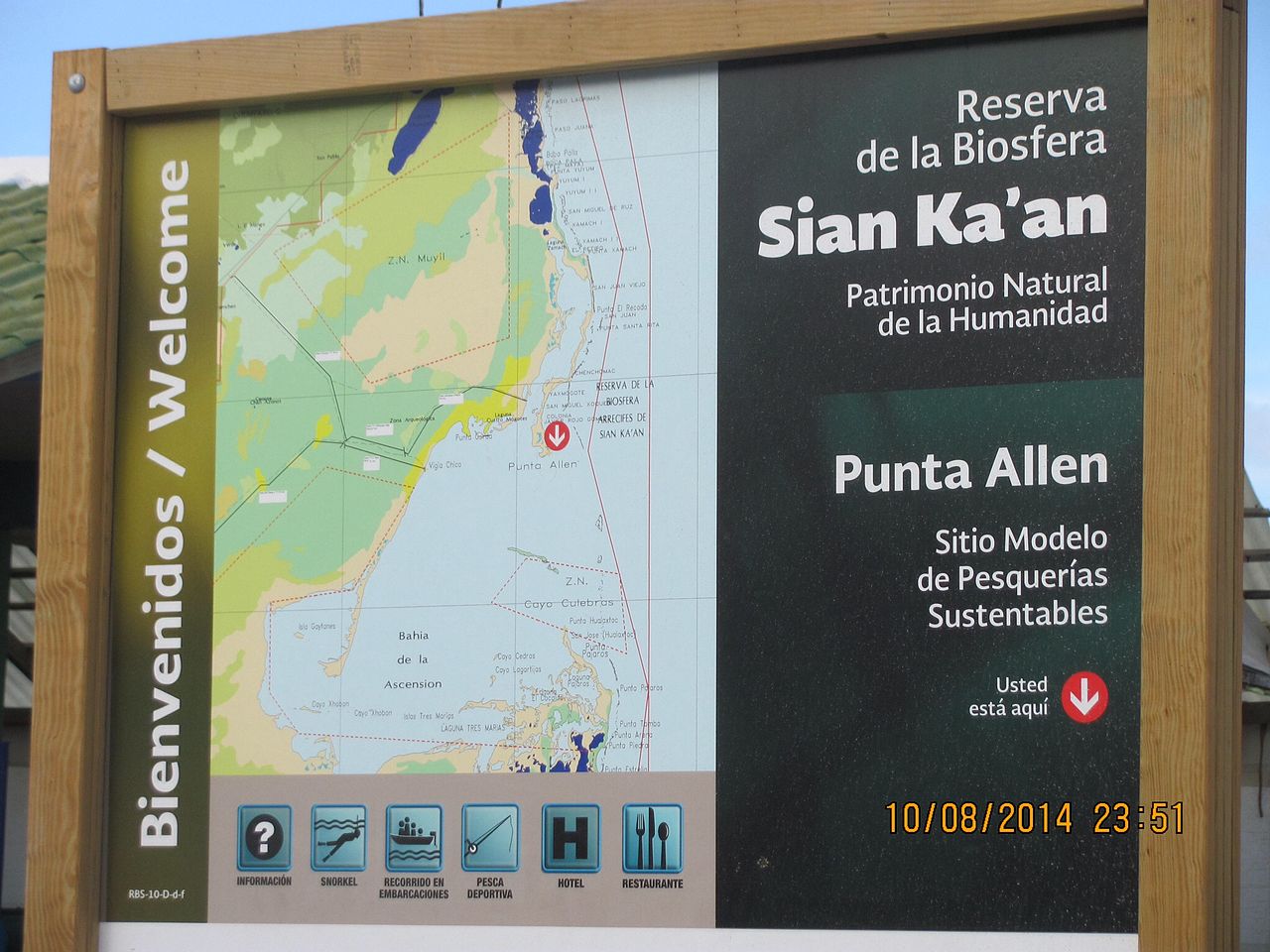
Punta Allen is for travelers who would rather spend a day looking across a mangrove lagoon than checking another beach club off a list. The small fishing village sits at the end of the Boca Paila Peninsula, inside the southern part of Sian Ka’an Biosphere Reserve in Quintana Roo. Getting there means committing to a long, uneven road or arranging a tour with an authorized local operator. Once you arrive, the reward is a quiet community, open Caribbean water, shallow lagoons, and access to one of the most important protected landscapes on the Riviera Maya.
This is not a polished resort destination. Punta Allen has a limited supply of rooms, restaurants, shops, services, and connectivity. The road can be tiring. Weather can change a boat itinerary. Wildlife sightings are never guaranteed. Those limitations are part of the point, but they require honest planning.
Use this guide to decide whether Punta Allen belongs in your Riviera Maya itinerary, choose the right way to visit, and arrive with realistic expectations about the village and the reserve around it.
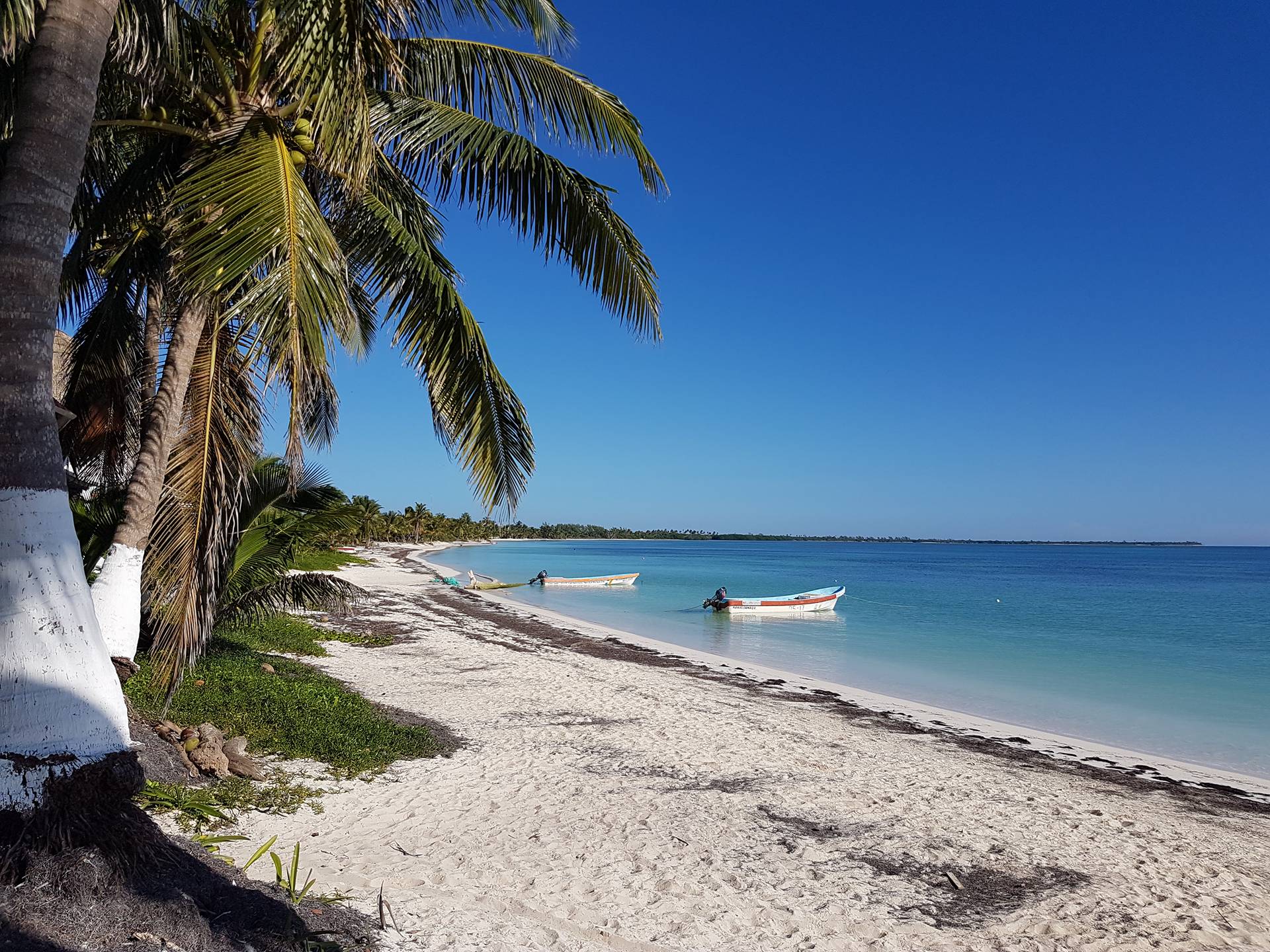 Punta Allen beach and Caribbean coastline in Sian Ka’an
Where Punta Allen is and what makes it different
Punta Allen, officially associated with the community of Javier Rojo Gómez, is at the southern end of the Boca Paila Peninsula. Tulum is the nearest major visitor base. The village is not on the main coastal highway; it is reached by turning toward the reserve and following the road south through protected coastal terrain.
The setting explains the experience. The peninsula separates the Caribbean Sea from a system of lagoons, wetlands, mangroves, and channels. The reserve protects both land and marine environments, including a section of the Mesoamerican Barrier Reef. Punta Allen developed as a fishing community rather than as a resort strip, and local fishing remains part of its identity. Boat excursions are commonly organized through local operators and cooperatives because the lagoon and reef routes require knowledge of water conditions, access points, and protected-area rules.
Sian Ka’an is recognized internationally for its natural value. UNESCO describes a landscape of tropical forest, mangroves, marshes, and a large marine section crossed by a barrier reef. CONANP, Mexico’s National Commission of Natural Protected Areas, identifies the Punta Allen side as an access route through the Arco Maya area and describes dirt roads, marked trails, and navigable areas inside the protected area. That is useful context: you are not driving to an isolated beach that happens to be undeveloped. You are entering a managed protected area where access, navigation, fishing, wildlife encounters, and waste all matter.
The village itself is compact and low-key. Streets are sandy or rough rather than urban, and the atmosphere is closer to a remote coastal settlement than to Tulum’s hotel zone. You may see fishing boats, small restaurants, modest lodging, and tour activity, but you should not expect a full range of pharmacies, supermarkets, banks, fuel stations, or late-night services. Exact availability changes, so confirm anything essential before leaving Tulum.
Is Punta Allen worth visiting?
Punta Allen is worth the effort if you value wildlife, quiet water, local boat trips, fishing, birdwatching, and a strong sense of place. It is a good match for travelers who have already enjoyed the Riviera Maya’s more accessible beaches and want to see a less developed side of the coast. It also works for photographers, anglers, naturalists, couples who prefer simple surroundings, and independent travelers who do not mind a day structured around road and sea conditions.
It is less suitable if you have only one short day in Quintana Roo, need reliable mobile service, dislike rough roads, want nightlife, or expect guaranteed encounters with dolphins, manatees, turtles, or crocodiles. The trip is not a faster version of a Tulum beach day. It is a nature outing with a remote village at its center.
The most important question is not whether Punta Allen is beautiful. It is whether you are comfortable with the conditions that protect its character. A visit takes more time, more preparation, and more flexibility than a stop in Playa del Carmen, Akumal, or central Tulum. If that trade-off sounds worthwhile, Punta Allen can become one of the most memorable days of a Riviera Maya trip.
Understanding the two Sian Ka’an experiences
Travelers sometimes use “Sian Ka’an” to describe two quite different visitor areas. The northern entrance near Muyil leads to the archaeological site, Chunyaxché lagoons, and the famous freshwater canal float. The Punta Allen entrance leads to the coastal peninsula, marine excursions, lagoon wildlife, reef snorkeling when sea conditions allow, and the fishing village itself.
Neither side is a substitute for the other. Muyil is usually more practical for a half-day or for travelers who want Maya history combined with a short nature experience. Punta Allen is the more demanding choice if your priority is a coastal boat expedition and time in a remote community. A traveler staying near Tulum can do either, but combining both in one day is usually too ambitious. Treat them as separate outings unless an experienced operator has built the itinerary around the timing and access conditions.
The northern Muyil route is also the more obvious alternative when the Punta Allen road is in poor condition or when you are traveling with someone who will find hours of vibration uncomfortable. The Punta Allen side, however, gives you a different view of the reserve: the relationship between fishing, lagoons, reef, and a community living at the end of the peninsula.
 A guided boat tour moving through Sian Ka’an waters
How to get to Punta Allen from Tulum
Driving the road from the Tulum side
The usual land approach begins in or near Tulum and follows the Boca Paila route before reaching the reserve access point. CONANP describes the Punta Allen access as a roughly 50-kilometre dirt road from the Arco Maya area. Road conditions are changeable. Potholes, loose surfaces, standing water, and slow sections can all affect the journey, especially after heavy rain or during periods when maintenance is limited.
Do not plan the drive by the distance shown in a mapping app alone. A short-looking route can take much longer when you are driving carefully around holes, traffic, bicycles, wildlife, or water on the road. Leave with daylight available for both directions. Driving after dark is a poor choice because visibility, road hazards, and assistance are limited.
A high-clearance vehicle is a sensible option, but a larger vehicle does not remove the need for caution. Ask the rental company whether its agreement permits the route; some rental policies exclude rough roads or unpaved access. Check current conditions with your accommodation, the reserve access point, or a local operator before setting off. Do not assume that yesterday’s road report still applies after a tropical storm.
Start with enough fuel for the full plan. The reserve route should not be treated as a place to search for a convenient fuel stop. Carry water, food for the road, sun protection, insect repellent, any medication you need, and a charged phone even though reception may be unreliable. Download offline maps, but do not confuse an offline map with emergency support.
Taking an organized tour
For most first-time visitors, an organized day trip is the less stressful way to reach Punta Allen. A good operator handles transportation, reserve access, boat logistics, equipment, and timing. Many tours depart from Tulum and include a marine excursion, a wildlife search, a swimming or snorkeling stop when conditions permit, and food in or near Punta Allen.
The quality of the experience depends heavily on the operator. Look for a clear itinerary, named local guides or boat crews, a realistic explanation that wildlife sightings are not guaranteed, and a stated approach to protected-area rules. Ask whether the tour uses an authorized service provider, how many people are on the boat, what is included, and what happens if wind or sea conditions make snorkeling unsafe. A responsible operator will not promise that every guest will swim with a wild animal.
Tours can be a better value than a self-drive day once you add a rental vehicle, fuel, reserve fees, navigation, and the risk of losing time on the road. They are especially useful for visitors staying in Tulum without a car, families who do not want to manage a rough route, and travelers who prefer to concentrate on the landscape rather than on driving.
The compromise is less control. You will follow the group’s departure time and route, and the boat portion may be shared. Private arrangements can give you more flexibility, but they need careful checking because “private” does not automatically mean more sustainable or more knowledgeable.
Can you use public transportation?
Punta Allen is not a simple colectivo destination. Regular Riviera Maya colectivos connect the main towns along Highway 307, but the final reserve road is a different logistical problem. Reaching the entrance is not the same as reaching the village, and you still need transport on the rough road and a confirmed boat arrangement.
Independent travelers can ask local operators about a pre-arranged transfer, but do not arrive at the reserve expecting a guaranteed onward ride. A taxi from Tulum may be expensive and may not be willing to wait or take the road. Confirm the vehicle, price, return plan, reserve access, and boat departure before you leave your accommodation. If the plan depends on finding a ride after arrival, it is not a robust plan.
What to do in Punta Allen
Take a local boat excursion
The central activity is a boat trip through the lagoons and coastal waters around Punta Allen. Routes vary with the weather and with the operator, but a typical outing may pass through mangrove channels, shallow flats, lagoon edges, and marine areas near the reef. Guides know where wildlife is most often seen and how to approach without chasing animals.
The best boat trips are not simply fast rides between photo stops. They explain the reserve’s water systems, point out birds and vegetation, and leave room for observation. Ask your guide what you are looking at rather than trying to identify every animal from a social-media checklist. The reserve is valuable even when the most dramatic species stay out of sight.
Water conditions determine the route. A calm morning can become windy, and a planned reef stop may be changed for safety. Do not treat a cancelled snorkeling section as a failed trip. Mangrove and lagoon time can be the most distinctive part of the experience, and a careful captain is making a conservation and safety decision.
Look for wildlife without turning it into a chase
Dolphins, sea turtles, crocodiles, manatees, birds, and reef fish are associated with the reserve, but none should be treated as guaranteed. Wildlife is wild, and responsible guides maintain distance and avoid repeated approaches. If a boat captain accelerates toward an animal, blocks its route, or encourages guests to touch it, that is a warning sign.
Birdwatching is often more reliable than searching for one headline animal. Herons, frigatebirds, pelicans, ospreys, cormorants, spoonbills, and other coastal and wetland species use the reserve. Bring binoculars if you have them, but a phone camera with a strong zoom is not a substitute for patience. Early light can be pleasant for both birds and people, although exact departure times depend on the operator and season.
You may also see iguanas, fish jumping in the lagoons, rays, and crocodiles resting near the water’s edge. Keep your hands and belongings inside the boat unless your guide says otherwise. Never feed wildlife. Food changes animal behaviour and creates risks for both visitors and the species the reserve is intended to protect.
 Sian Ka’an beach and coastal landscape
Snorkel on the reef when conditions allow
Punta Allen provides access to coastal marine environments and sections of the Mesoamerican Barrier Reef. Some boat trips include snorkeling, but this depends on wind, waves, visibility, current, and local rules. Confirm whether equipment is provided and whether you need to bring your own mask, but do not assume that a reef stop is possible on every departure.
Snorkel calmly and keep your fins away from coral. Do not stand on the reef, collect shells, touch animals, or chase turtles and fish. Coral may look like rock, but it is living habitat and can be damaged easily. Use a flotation aid if you are not a confident swimmer, and tell the guide about your comfort level before entering the water.
Follow current reserve guidance about sunscreen. CONANP’s visitor information lists no sunscreen among the regulations for the protected area, so arrive ready to use protective clothing, a hat, sunglasses, and a long-sleeved rash guard instead. Ask your operator about the current rule before departure rather than assuming that a product marketed as “reef safe” is accepted.
Swim in shallow coastal water only where your guide directs
Some tours visit shallow, clear water where passengers can swim or relax. These areas may look like a natural pool, but conditions can change and marine life is still present. Enter only at the guide’s direction, listen for information about current and depth, and do not swim away from the group.
This is not a place to improvise a private beach swim beside a boat channel. Strong sun, wind, dehydration, and unfamiliar water can combine quickly. Children should stay within arm’s reach of a responsible adult, even when the water looks calm. If you are pregnant, have a medical condition, or are uncomfortable in open water, tell the operator before booking so the itinerary can be evaluated honestly.
Learn about fishing and local coastal life
Punta Allen’s identity is tied to fishing. A visit can be more meaningful when you understand that the village is not a backdrop created for tourism. People live and work here, and boat excursions are part of an economy that connects conservation with local livelihoods.
Anglers come for flats fishing and species such as permit, bonefish, and tarpon, usually with specialized guides and carefully arranged equipment. If fishing is your main reason for visiting, book with a provider experienced in the reserve and ask about current seasons, permits, catch-and-release practices, and local restrictions. Do not assume that an ordinary sightseeing boat is equipped for a serious fishing day.
Ask before photographing residents, homes, boats, or working activities. Buy food or services locally when it is appropriate, pay agreed prices, and do not treat the village as an outdoor museum. A quieter form of tourism is still tourism; respectful behaviour helps keep the relationship between visitors and residents workable.
Walk the village at a slow pace
Punta Allen is small enough to explore on foot once you arrive. Walk during the cooler part of the day, stay on public routes, and keep noise low. You do not need a packed list of attractions. The pleasure is noticing how the village sits between lagoon and sea, watching boats prepare for excursions, and seeing the contrast with the much denser resort areas north of Tulum.
Bring cash in Mexican pesos for small purchases, but verify current payment options before relying on any one assumption. There may not be an ATM or dependable card service where you need it. Carry small denominations without displaying large amounts, and keep a reserve for the return journey.
Food and supplies
Local restaurants and small eateries may serve seafood, ceviche, grilled fish, lobster when available and in season, or simple Mexican meals. Menus and opening days can change with fishing conditions, staffing, weather, and demand. If you have allergies, dietary restrictions, or medication that must be taken with food, bring a backup option and explain your needs clearly before ordering.
A boat tour may include lunch, but check what that means before you book. Some itineraries include a set meal; others stop at a local restaurant; some require you to pay separately. If lunch is scheduled late, eat a small breakfast before leaving Tulum and pack snacks that travel well. Do not bring disposable packaging that you cannot take back out.
There are small shops in the community, but selection is limited compared with Tulum. Buy water, snacks, insect repellent, and other essentials before entering the reserve. Avoid single-use plastic where possible, and carry every wrapper back to an appropriate bin or to your accommodation if local disposal is uncertain.
Where to stay in Punta Allen
An overnight stay changes the rhythm of the visit. Instead of spending most of the day on the approach road, you can settle into a simple room, take an early boat trip, and experience the village when the day visitors have gone. The trade-off is a smaller range of accommodation and services.
Expect a rustic stay rather than a conventional resort. Availability, electricity, hot water, air conditioning, Wi-Fi, and mobile coverage vary by property and can change. Ask direct questions before booking. If you need a refrigerator for medication, reliable internet for work, or uninterrupted power, confirm that requirement in writing and have a backup plan.
Book ahead if you want to stay overnight, especially during periods of high demand. Confirm how you will reach the property, whether the boat operator can collect you, where you will eat, and what happens if your arrival is delayed by road conditions. Do not assume that a late taxi or a same-day room will be available.
A one-night stay works best when you accept the village’s limitations rather than trying to reproduce a Tulum hotel experience there. Pack light, keep valuables secure, and use a headlamp or phone light if your accommodation recommends one. Respect quiet hours and remember that generators or limited power systems may shape the daily routine.
The best time to visit
Punta Allen can be visited year-round, but the experience changes with heat, rain, wind, sea conditions, and seasonal wildlife activity. The drier winter and spring period is often attractive for travelers who want more predictable outdoor conditions, but it is not a guarantee of calm water or clear skies. Summer can bring intense heat, tropical rain, and periods of heavy humidity while also offering lush vegetation and a different atmosphere.
The Caribbean coast’s sargassum conditions vary by season, wind, currents, and beach. A seaweed problem on another Riviera Maya beach does not automatically describe Punta Allen on the day you visit, and a clear beach yesterday does not promise a clear beach tomorrow. Ask for recent local conditions if swimming or snorkeling is important.
The Atlantic hurricane season runs from June through November. A storm or tropical depression can affect the road, reserve access, lodging, and boat trips even when the weather in Tulum appears manageable. Keep your itinerary flexible and check official weather information. Never pressure a captain to leave because you have already paid for an excursion.
The strongest practical rule is to plan with daylight and weather margin. Avoid scheduling a flight, wedding event, or non-refundable transfer immediately after a Punta Allen day unless you have allowed plenty of time. Remote roads and marine activities do not fit well beside a tight airport connection.
What to pack
Pack for a long day outside rather than for a normal town excursion:
- Refillable water and additional drinking water for the road
- A hat, sunglasses, and lightweight long sleeves
- Swimwear and a quick-drying layer
- Closed shoes for uneven ground and boat access
- Insect repellent
- Personal medication and basic first-aid supplies
- Mexican pesos and a small waterproof pouch
- Binoculars or a camera with a strap
- Dry bags for phones, wallets, and documents
- Snacks that do not melt easily
- A headlamp or small flashlight for an overnight stay
- Offline maps and a charged power bank
Avoid bringing glass containers, loud speakers, unnecessary disposable packaging, or anything you might drop from a boat. Leave jewellery and other valuables at your accommodation. A waterproof phone case is useful, but it does not make a phone invulnerable; secure it before boarding.
Protected-area rules and responsible travel
CONANP’s Sian Ka’an visitor information lists rules including no campfires, no extraction of flora or fauna, no littering, no fishing in restricted contexts, no pets, no sound equipment, and no walking on unauthorized trails. It also instructs visitors not to mark trees or archaeological monuments. Rules and enforcement details can change, so check current guidance at the access point or with your authorized operator.
Do not feed wildlife or use food to attract animals for photographs. Do not ask a guide to break a distance rule for a better picture. Keep voices low near nesting and resting areas. Stay on the route your guide identifies, especially around mangroves and archaeological features. The absence of a fence does not mean an area is open for exploration.
Take all personal waste with you. Use biodegradable products only when the operator and reserve guidance permit them; the label alone is not a licence to enter sensitive water. Choose sun-protective clothing first. If you smoke, avoid doing so in the reserve and never throw a cigarette butt onto sand or into vegetation.
Support local services without demanding that they become something else. A community-run excursion, locally owned restaurant, or small guesthouse can keep more value in Punta Allen, but quality still matters. Ask who operates the boat, whether the service is authorized, and what conservation practices are followed. Responsible travel is not just buying a tour with an eco label; it is behaving well throughout the day.
Punta Allen as a day trip from Tulum
A day trip is the simplest introduction. Start early, travel with an organized operator or a carefully checked vehicle, spend time on the water, eat locally or at the arranged lunch stop, and return before the road becomes difficult to navigate. The day will feel long, but that is normal. Avoid adding the Tulum ruins, a cenote, and a restaurant reservation on the same schedule unless the operator has designed a very specific route.
If you are staying in central Tulum, a tour pickup may be easier than driving to the beach zone. If you are staying north in Akumal, Playa del Carmen, or Puerto Morelos, the transfer time becomes more significant. A private transfer or private tour may be more comfortable, but the right choice depends on your group size and tolerance for time on the road. Compare the complete day, not only the advertised boat duration.
A day trip also makes sense if you are unsure about overnight conditions. You can experience the reserve while keeping your main accommodation in Tulum. The cost is a less immersive visit and a long return journey, but it reduces the need to arrange meals, power, and lodging in a remote village.
Punta Allen as an overnight stop
Stay overnight when you want a slower, quieter trip and are prepared for basic facilities. One night is enough for many visitors to feel the difference between a rushed excursion and a place-based visit. Two nights may suit anglers, photographers, or travelers who want more than one chance at a weather-dependent boat trip.
Plan the arrival before booking. Confirm road transport, check-in timing, food, payment, power, water, and the next day’s activity. If you are driving, make sure the vehicle and rental policy are appropriate. If a tour operator brings you in, ask whether the return transfer is included or must be arranged separately.
The village is quiet, but quiet does not mean empty or silent. Boats may leave early, weather may bring wind, and local life continues around you. Choose accommodation based on the level of simplicity you can enjoy, not on photographs that make a basic room look like a luxury escape.
What to combine with Punta Allen
Punta Allen pairs naturally with a Tulum stay because Tulum provides the closest broad choice of lodging, food, transport, and tour operators. Give Punta Allen its own day rather than trying to combine it with the Tulum archaeological site. The ruins are in a separate visitor area and deserve enough time to visit without rushing.
The Muyil ruins and lagoons are the best alternative or complement for travelers interested in Maya history and inland wetlands. They are not “near Punta Allen” in the sense of a quick extra stop; they are reached through a different entrance and should be planned as their own excursion. Our Muyil ruins guide covers that northern side of the reserve.
Cenotes along the Tulum corridor can fit before or after a Punta Allen stay if you have room in the itinerary, but avoid stacking too many water activities into one hot day. A cenote guide, reef boat, and long rough-road transfer all require energy. If your trip includes snorkeling in Akumal or Cozumel, you may prefer to make Punta Allen the wildlife and landscape day rather than another timed water stop.
Common mistakes to avoid
Treating the mapping-app drive time as a promise
The reserve road is not an ordinary paved highway. Add time for careful driving, stops, and changing conditions. Tell your accommodation where you are going and when you expect to return.
Arriving without a boat plan
A road trip to the village does not guarantee a boat seat. Reserve your excursion ahead or confirm current availability before setting off. Ask what happens if the sea is unsafe.
Assuming cashless payment will work
Bring pesos and do not rely on mobile data, an ATM, or a card terminal. Confirm the payment method for your tour, accommodation, food, and transport.
Packing as if the whole day will be at a resort
There may be no convenient place to buy sunscreen, medicine, snacks, or a replacement cable. Pack before entering the reserve.
Expecting guaranteed wildlife
No ethical guide can promise a dolphin, manatee, turtle, or crocodile sighting. Judge the experience by the quality of the landscape and interpretation, not by a checklist.
Wearing only swimwear
The sun, insects, road dust, and boat spray make lightweight layers useful. Closed shoes are safer for access points and village streets.
Booking a tight evening reservation
Road delays, weather, and a longer boat outing can shift the day. Keep the evening open or choose a reservation that can be changed.
Turning a local community into a photo prop
Ask before photographing people and working spaces. Buy something when you use a service, and keep your behaviour quiet and considerate.
Frequently asked questions
Is Punta Allen safe for tourists?
Many visitors travel there without problems, but it is remote and medical assistance, phone coverage, and transport options are limited. Use a reputable operator or a well-prepared vehicle, tell someone your route, avoid isolated wandering, and take water and medication seriously. Safety conditions can change, so check with your accommodation and local authorities before departure.
How long do you need in Punta Allen?
A full day is the minimum practical visit from Tulum because of the road and boat schedule. An overnight stay gives you a slower experience and more flexibility if weather affects the water. You do not need several days unless fishing, photography, or a deliberately slow nature trip is your focus.
Can you visit Punta Allen without a tour?
Yes, independent visits are possible with a suitable vehicle and a confirmed plan, but the road and boat logistics make a tour attractive for many travelers. Confirm reserve access, current road conditions, parking or arrival arrangements, and your boat before leaving Tulum. Do not assume that independent means you can enter every area without a guide.
Are there mosquitoes in Punta Allen?
Mangrove and wetland environments can have insects, particularly around dawn, dusk, after rain, and in still areas. Bring repellent, lightweight long sleeves, and clothing that dries quickly. Conditions vary by weather and season.
Can children visit?
Families can enjoy Punta Allen, especially on a well-organized outing, but the day is long and the road is rough. Check age, life-jacket, and swimming requirements with the operator. Bring snacks, water, sun protection, and an activity plan for time in the vehicle. The reserve is not a theme park, so children should be comfortable following quiet wildlife and water rules.
Can you see dolphins and manatees?
They are present in the reserve, but sightings are never guaranteed. A responsible guide searches without chasing or feeding animals. Enjoy birds, mangroves, reef fish, and the changing landscape as part of the trip rather than treating one species as the only reason to go.
Is Punta Allen better than Muyil?
Neither is universally better. Punta Allen is the stronger choice for a coastal village, marine boat trip, and remote peninsula atmosphere. Muyil is easier to reach and better suited to Maya archaeology, lagoons, and the canal float. Choose according to your available time, mobility, and main interest.
The practical verdict
Punta Allen is one of the Riviera Maya’s more demanding outings, and that is exactly why it feels different. The road discourages casual traffic, the protected area limits what visitors can do, and the village has not been rebuilt around resort expectations. Plan the transport, boat, weather margin, food, cash, and safety details before leaving Tulum. Then give the day enough space to be slow.
If you want an easy beach stop, choose a more accessible coast. If you want a thoughtful encounter with Sian Ka’an’s lagoons, reef, wildlife, and fishing culture, Punta Allen is worth the effort. Travel with an authorized local operator or a carefully prepared independent plan, leave no trace, and let the reserve remain more important than your itinerary.