Printable guide
Tulum vs Akumal: Which Riviera Maya Base Is Right for Your Trip?
Updated
Tulum vs Akumal is a choice between a larger, varied destination and a quieter coastal base. Compare beaches, turtles, cenotes, ruins, food, transport, budgets, and the best fit for your Riviera Maya trip.

Tulum and Akumal sit on the same stretch of Quintana Roo coastline, but they produce very different holidays. Tulum is a broad, busy destination with an inland town, a long beach corridor, archaeological sites, cenotes, restaurants, nightlife, and a growing collection of hotels and apartments. Akumal is smaller and more focused: a calm bay, protected marine life, quiet residential pockets, nearby lagoons and cenotes, and a slower rhythm built around the water.
That makes the choice less about which place is “better” and more about what you want your base to do for you. Choose Tulum if you want a varied itinerary and do not mind organizing transport between separate zones. Choose Akumal if your ideal day starts with a calm swim or a turtle excursion and ends quietly near the coast. If you have enough time, combining both can be more satisfying than trying to make either destination provide an experience it was not designed to provide.
The short version is simple:
- Tulum is better for variety, ruins, restaurants, cenotes, nightlife, and travelers who want several different kinds of day.
- Akumal is better for a quieter base, sheltered-water swimming, turtle snorkeling, families who value an easy beach focus, and travelers who prefer less urban energy.
- Neither is automatically the cheaper option. Tulum offers more budget range in town, while Akumal’s accommodation is often concentrated in resorts, condominiums, and coastal properties.
- You can visit both without changing hotels, but the right choice depends on whether you want Tulum’s attractions to be central to the trip or merely an excursion from a calmer base.
Tulum vs Akumal at a glance
| Travel question | Tulum | Akumal |
|---|---|---|
| Overall character | Large, spread-out destination with town, beach, ruins, cenotes, and nightlife | Small coastal base centered on bays, marine life, and a quieter pace |
| Best for | First-time visitors who want variety and a full itinerary | Travelers prioritizing water, calm, and a less intense base |
| Signature experience | Tulum archaeological zone, cenotes, restaurants, and the beach corridor | Guided turtle snorkeling in Akumal Bay and nearby coastal lagoons |
| Beach feel | Long Caribbean beaches, beach clubs, hotel stretches, and changing access | Sheltered bays and a more concentrated coastal experience |
| Swimming | Depends on sea conditions and beach location; sargassum can affect the coast | Akumal Bay is often calmer, although conditions still change |
| Cenotes | Excellent access to the Tulum-area cenote network | Close to cenotes north and west of town, especially on the Tulum corridor |
| History | Tulum ruins, plus practical access to Muyil and Cobá | Less centered on a major archaeological zone, though Tulum and Cobá are reachable |
| Food | Broadest range, from inexpensive town meals to destination dining | Smaller selection, with more resort and coastal dining |
| Nightlife | Stronger, especially in the town and beach zones | Quiet; evenings are mainly for dinner and rest |
| Getting around | Transport matters every day unless you stay in one zone | Easier to keep a compact routine, but major excursions still need transport |
| Best trip length | Three to five nights for a first visit | Two to four nights for a focused beach and nature stay |
Akumal coastline and bay in Quintana Roo, Mexico

The biggest difference: destination or base?
Tulum functions as both a destination and a base. You can spend an entire trip within Tulum’s wider area, moving between the pueblo, the beach, the ruins, cenotes, and protected landscapes. You can also use it as a launch point for Akumal, Cobá, Muyil, Playa del Carmen, and other Riviera Maya stops. That flexibility is valuable, but it comes with a practical cost: the attractions are not arranged around one compact center.
Akumal works more naturally as a base for a specific kind of holiday. The bay is the anchor. Nearby places such as Half Moon Bay, Yal-Ku Lagoon, Aktun Chen, and the cenotes along the highway can fill several days, but the experience remains more coastal and nature-oriented. Akumal is not the place to choose if you want to walk out of your hotel and browse a large restaurant district, shop for hours, and then continue to a busy bar.
This distinction matters when you read hotel descriptions. A property described as being “near Tulum” may be in the beach zone, the town, the road toward the ruins, or well outside the core. A property described as “in Akumal” may be in a resort area or a quieter neighborhood that still requires a taxi or car for the bay. Check the exact map position, the nearest public access, and how you will travel after dark before booking.
Which has the better beaches?
There is no universal winner because the beach experience is shaped by sea conditions, access arrangements, development, and the kind of beach day you want.
Tulum beaches
Tulum’s coastline is long and visually striking. Around the archaeological zone, beaches sit below the cliffs and form part of the setting that makes the ruins so memorable. Farther south, the hotel-zone coast alternates between beach clubs, hotels, restaurants, public-access points, and stretches where access can be less obvious than visitors expect. Playa Paraíso, Playa Pescadores, Playa Santa Fe, and the beaches near the ruins are commonly included in a Tulum beach day, but conditions and access arrangements can change.
Tulum is a good choice when you want the beach to be one part of a larger day. You can visit the archaeological zone in the morning, look for a public beach route or a suitable beach club afterward, and then return to town for dinner. It is less predictable if your only goal is to have an effortless, walk-out-of-the-room beach holiday. The best beach may be several kilometers from your hotel, and traffic or taxi prices can make spontaneous hopping less appealing.
Sargassum is the other variable. Seaweed levels change with wind, currents, season, and local conditions. A beautiful beach in a photograph can be affected during your week, while a nearby beach or cenote may remain a better swimming option. Do not choose Tulum solely on the assumption that its coastline will be clear every day.
Akumal beaches and bays
Akumal’s appeal is less about a long beach promenade and more about sheltered water and marine life. Akumal Bay is known for green sea turtles feeding in the seagrass, and the bay’s shape can provide calmer conditions than more exposed sections of coast. Half Moon Bay and other nearby coastal areas offer different versions of the same basic appeal: swimming, snorkeling, reef life, and a quieter setting.
The turtle experience is regulated. Rules, access procedures, guide requirements, flotation equipment, fees, and conservation arrangements can change, so confirm current details with the authorized local operation or official access point before you go. The responsible approach is always the same: do not touch, chase, feed, or block turtles; do not stand on seagrass; follow the guide; and use only the sunscreen policy permitted at the site. A turtle sighting is a privilege, not a performance.
Akumal is the stronger choice for travelers who want a calm-water morning to be the central event of the trip. It is not necessarily a better choice for classic open Caribbean beach lounging. Parts of the coast are developed, access can be managed, and the best swimming area can be busy at popular times. Arrive with realistic expectations rather than a picture of an empty bay.
Beach verdict: choose Akumal for sheltered-water snorkeling and a concentrated coastal routine. Choose Tulum for a wider range of beaches, beach clubs, ruins-side scenery, and a beach day combined with other attractions.
Turtles and snorkeling: Akumal has the clearest advantage
Akumal’s name is widely translated as “place of the turtles,” and the bay’s sea turtles are the reason many travelers choose it over Tulum. The water is relatively shallow in the main snorkeling area, and a guided trip can be approachable for beginners who are comfortable floating in the sea. The experience is not guaranteed in the sense that wildlife never follows a schedule, but Akumal is the Riviera Maya base most closely associated with seeing turtles from the shore.
That popularity is precisely why the rules matter. Use the official access route, confirm whether a guide is required for the zone you want to enter, wear the required flotation equipment, and keep your distance. Avoid operators who encourage touching animals, diving directly toward them, or crowding them for photographs. If the bay is rough or visibility is poor, accept that conditions may not deliver the experience you imagined.
Tulum has good snorkeling and diving options, but its signature water experiences are more dispersed. Cenotes offer clear freshwater swimming, cavern snorkeling, and diving rather than a predictable marine-turtle encounter. Casa Cenote, Dos Ojos, Sac Actun-area operators, and other sites along the Tulum corridor vary in their landscapes and access rules. Some are open-air swimming holes; others are cave systems best visited with a trained guide. Bring the appropriate level of confidence and do not treat a cave dive as a casual swim.
Cozumel is also reachable from the Riviera Maya for travelers whose priority is reef snorkeling and diving, but it is a separate island trip rather than a reason to choose between Tulum and Akumal.
Snorkeling verdict: choose Akumal if sea turtles are the trip’s main objective. Choose Tulum if you want to compare cenotes, caves, reefs, and protected coastal areas across several days.
GuideBest Beaches Near Akumal: Your Guide to Akumal Bay, Half Moon Bay, Jade Bay, South Akumal & Xpu-HaDiscover the best beaches near Akumal, Mexico, from the turtle-filled waters of Akumal Bay to the tranquil shores of Jade Bay and the pristine sands of Xpu-Ha. This guide covers access, facilities, snorkeling opportunities, and practical tips for each beach.OpenCenotes: both work, but Tulum has more variety nearby
Tulum is one of the easiest bases for exploring the cenotes south and north of Playa del Carmen. A rental car makes the most sense when you want to visit several independent sites, because cenotes are spread along local roads and highway corridors rather than forming one central attraction district. Organized tours are useful when you want equipment, a guide, transport, and a planned combination such as ruins plus cenote or turtle snorkeling plus freshwater swimming.
The choices are varied. Open cenotes can feel like natural swimming pools with sun, platforms, ladders, and jungle around them. Semi-open sites combine sunlight with cavern edges. Underground cenotes can be dark, cool, and more restrictive, with guides controlling the route. Dos Ojos is in the Tulum-area corridor, not in Akumal town, even though it can be visited from either base. That geography matters when calculating travel time.
Akumal is also well placed for cenote excursions. Aktun Chen is particularly associated with cave and cenote experiences near the Akumal area, while several well-known sites are a short drive north or south along the highway. If you stay in Akumal and want to visit two or three cenotes, a car or tour is usually more convenient than trying to improvise with local transport. A day that looks close on a map can involve an entrance road, a transfer, equipment arrangements, and a return journey.
The practical choice is therefore not “cenotes in Tulum versus no cenotes in Akumal.” It is more variety and easier daily access from Tulum versus a quieter base with selected cenote trips from Akumal.
Before visiting any cenote, check whether advance booking is needed, what equipment is included, whether cash is accepted, and whether sunscreen, cameras, or flotation devices are restricted. Cenotes are fragile freshwater systems. Shower before entering, follow the site’s instructions, and do not bring lotions or insect repellent into the water unless the operator explicitly permits them.
Cenote verdict: choose Tulum for the broadest choice and easiest multi-cenote itinerary. Choose Akumal if cenotes are a secondary day alongside the bay and coast.
 Cenote Dos Ojos in the Tulum-area corridor of Quintana Roo

Ruins and Maya history: Tulum wins for convenience
Tulum has one of the most recognizable archaeological settings in Mexico. The walled Maya city stands on the Caribbean coast, with El Castillo and other structures overlooking the sea. INAH identifies the site’s earlier name as Zamá and describes the preserved wall, coastal position, temples, and historical importance. It is an archaeological site first, not simply a viewpoint, so give the buildings and rules the same attention you would give the scenery.
The ruins are close enough to Tulum town for a manageable half-day, although the entrance area, transport arrangements, park rules, and ticketing can change. Check the current information on the official INAH listing before setting out. Go early when possible: heat builds quickly, and the combination of sun, walking, and crowds can make a late visit harder than expected. Wear closed or secure footwear, carry water according to the site rules, and keep your schedule flexible if you plan to add a beach or cenote afterward.
The wider Tulum area also provides access to Muyil and Cobá. Muyil sits within the Sian Ka'an landscape and offers a quieter archaeological and nature combination. Cobá is inland and is better treated as a separate half-day or full-day excursion rather than an add-on squeezed between breakfast and the beach. Both expand the historical side of a Tulum itinerary without repeating the exact coastal setting of the main ruins.
Akumal does not have an equivalent headline archaeological zone on its doorstep. Its advantage is that you can visit Tulum’s ruins from a quieter base if you are willing to arrange transport. The drive is manageable by car, organized tour, or a combination of local transport, but it is still a travel day component. If history is one of your top two priorities, Tulum reduces the friction.
History verdict: choose Tulum if the ruins are essential. Choose Akumal if you are happy to make the ruins an excursion rather than the trip’s center.
 Stone buildings at the Tulum archaeological zone overlooking the Caribbean coast
Food, coffee, shopping, and nightlife
Tulum offers the larger and more varied food scene. In Tulum Pueblo, you can build a day around breakfast, tacos, regional cooking, bakeries, coffee, vegetarian food, seafood, and more formal restaurants without needing to stay inside one resort. The beach zone adds destination dining and stylish venues, but prices and reservations can be more demanding. A restaurant’s location matters: a short distance on a map can become a slow taxi ride during busy periods.
Tulum’s commercial variety is useful for longer stays and mixed groups. One person can look for a casual meal while another wants a more polished dinner. Families can choose earlier dining in town, while couples may prefer a beach-zone evening. The trade-off is noise, traffic, and decision fatigue. Tulum rewards planning more than wandering blindly.
Akumal has restaurants and places to eat, but the range is smaller and more geographically spread. Resort dining can be convenient but may not suit travelers who want to explore local options every night. Some visitors enjoy that limitation: there is less pressure to construct a social itinerary, and dinner becomes part of a quiet evening rather than another destination search.
Nightlife is an easy decision. Tulum has more bars, events, music, and late-night energy. The beach zone is known for high-profile venues and events, while the town has more casual options. Akumal is better for a low-key night, an early dinner, and a morning on the water. If you want dancing on two or three nights of your trip, Akumal may feel too quiet unless you plan to travel.
Food and nightlife verdict: choose Tulum for variety and evening options. Choose Akumal for quiet dinners and a resort-oriented or low-key stay.
Where to stay in Tulum
Tulum’s areas create different holidays:
Tulum Pueblo
Town is usually the most practical choice for independent travelers. It offers the widest range of restaurants, shops, services, and accommodation prices. It is also a better base for travelers who plan to use buses or colectivos along the main highway, although many attractions still require a taxi, bike, car, or tour. Staying in town means accepting that the Caribbean beach is not outside your door.
Aldea Zama and nearby residential zones
These areas can provide apartments, pools, and a position between town and the coast. They are useful for families, couples, and longer stays, but map distance can be misleading. Check road quality, lighting, construction, reception arrangements, and the actual route to food and transport. Do not assume that a stylish apartment is convenient simply because it sits between two pins on a booking map.
The beach zone
Choose the hotel zone when waking beside the sea is worth the extra expense and transport planning. Beach properties can make sunrise, swimming, and sunset easy, but restaurants and taxis may be costly. Sargassum can also affect the value of a beachfront booking during your dates.
The ruins and northern corridor
Properties north of the main town can work for travelers prioritizing the archaeological zone, cenotes, and a quieter resort setting. They are less convenient for town restaurants and late-night activities. This is a good location only when its specific surroundings match your itinerary.
Where to stay in Akumal
Akumal accommodation is more concentrated around resorts, condominium communities, and coastal properties. The benefit is a quieter environment and easier access to a water-focused routine. The limitation is that the nearest restaurant, shop, or public beach route may not be a short walk from your room.
Ask these questions before booking:
- Is the property actually near Akumal Bay, or merely in the wider municipality?
- Is the beach access private, shared, public, or subject to a separate arrangement?
- Can you reach the bay on foot, or will you need a taxi or golf cart?
- Are meals included, and what alternatives exist nearby?
- Is there a kitchen if you want to prepare breakfast before an early snorkel?
- What happens if you arrive late or need help arranging transport?
- Does the property have reliable shade, air conditioning, and water pressure?
Akumal is often a better fit for travelers who are comfortable repeating a pleasant daily pattern: breakfast, bay or lagoon, lunch, pool or beach, dinner, sleep. It is less suitable for travelers who want to switch neighborhoods every evening.
Transport and car-free travel
The coastal highway links Tulum and Akumal, and colectivos and buses can be useful for moving along the main corridor. However, a colectivo normally takes you along the highway rather than directly to a beach, cenote entrance, hotel driveway, or archaeological gate. You may still need to walk, take a taxi, or arrange a final transfer.
Tulum requires more local transport because its town, beach, ruins, and cenote routes are separated. Cycling can work for confident riders on suitable routes and in favorable weather, but long rides in heat, darkness, traffic, or poor road conditions are not a good plan for everyone. Taxis are convenient but can become expensive when used repeatedly between town and the coast.
Akumal is easier to keep compact, especially if you choose accommodation close to your main activity. It becomes less simple when you add Yal-Ku, Aktun Chen, cenotes, Tulum ruins, or an evening elsewhere. A rental car can provide flexibility, but it also brings decisions about parking, fuel, roads, and driving after dark. An organized tour may be better value in time and attention for a single excursion.
For either destination, do not build an itinerary that assumes every transfer will take the minimum time shown online. Add margin for heat, roadworks, traffic, waiting for transport, and finding the correct entrance. This is especially important when connecting a timed snorkel or archaeological visit with an airport transfer.
Families, couples, solo travelers, and longer stays
Families
Akumal often suits families who want calm water, a resort pool, and a manageable number of activities. Turtle snorkeling can be memorable for older children who are confident in the water, but children must follow the same wildlife and flotation rules as adults. A family that needs varied dining, pharmacies, shops, and indoor alternatives may find Tulum town more practical.
Tulum works well for families who plan carefully and choose a pool-equipped hotel with reliable transport. The spread-out geography can become tiring with small children, especially when a beach, cenote, and dinner are all in different directions. A car or prearranged transfers can make the difference.
Couples
Choose Tulum for restaurant choice, design-focused hotels, beach dinners, cenotes, and a more social atmosphere. Choose Akumal for quiet mornings, snorkeling, reading, and a slower pace. Tulum can feel exciting but busy; Akumal can feel restorative but too limited for couples who want nightlife.
Solo travelers
Tulum generally offers more opportunities to meet people, join tours, eat at different price points, and travel onward. Akumal is comfortable for a solo traveler who enjoys nature and a quiet base, but evening options are fewer and transport planning matters more.
Longer stays
For a week or more, Tulum’s variety usually wins. You can divide time between town, beach, cenotes, ruins, Sian Ka'an, and day trips without repeating the same day. Akumal can work for a longer stay if the point is rest, diving, snorkeling, or using the area as part of a multi-stop road trip. Otherwise, combine several nights in Akumal with several nights in Tulum rather than asking one base to provide both experiences.
Which is better for a budget?
Tulum has the broader budget range. Town accommodation, local restaurants, and public transport can make an independent trip possible at different price levels. But Tulum also makes it easy to spend more than planned: taxis between zones, beach-club minimums, destination restaurants, tours, and accommodation premiums add up quickly.
Akumal may appear simple because the destination is smaller, but coastal and resort accommodation can raise the nightly cost. If meals are included, that can make budgeting more predictable; if they are not, transport to alternative restaurants may become part of the daily spend. Turtle snorkeling and cenote visits also have separate costs, and regulations may bundle entrance, guide, and equipment differently over time.
The most useful comparison is not the price of a room. Add the full daily pattern:
- Accommodation.
- Breakfast and meals.
- Transport to the bay, beach, or cenote.
- Entrance charges and conservation fees.
- Tours and equipment.
- Drinks, tips, and cash-only purchases.
- The time cost of moving between zones.
A cheaper Tulum room can be poor value if you pay for taxis every day. A more expensive Akumal property can be reasonable if it keeps you close to the water and includes facilities you would otherwise buy elsewhere. Keep prices out of your long-term plan unless you verify them close to travel; fees, access systems, and exchange rates change.
Weather, crowds, and sargassum
Tulum and Akumal share the broad Riviera Maya climate: warm weather, strong sun, humid periods, tropical rain, and occasional storms. The best month depends on your tolerance for heat, crowds, rain, and changing sea conditions rather than a single universally perfect season.
December through April is often popular because conditions are generally drier and comfortable by Caribbean standards, but demand can be high. Late spring and summer bring more heat and humidity, while the Atlantic hurricane season requires travelers to monitor forecasts and keep plans flexible. Rain does not always ruin a day, but it can affect visibility at sea, road conditions, and cenote comfort.
Sargassum is a coastal variable for both destinations. It can be light on one beach and heavy on another, and cleanup policies differ by location. If the sea is your only reason to book, investigate recent local reports and keep a backup plan involving cenotes, ruins, food, or a pool. Akumal’s bay may feel more sheltered, but it is not immune to wider Caribbean conditions.
Crowds also shape the choice. Tulum’s ruins, popular cenotes, and beach venues are busiest around the middle of the day. Akumal Bay can become crowded during organized snorkel periods. In both places, earlier starts usually mean a calmer experience and better light.
A practical itinerary for each base
Three nights in Tulum
Day one: settle into town or your chosen zone, walk around the area, and have an early dinner. Do not schedule a major excursion after a long flight.
Day two: visit the Tulum archaeological zone early. Follow with a beach or pool break, then dinner in town or the beach zone depending on where you are staying.
Day three: choose a cenote circuit or a guided nature experience. If you want Sian Ka'an or Muyil, give that excursion the whole day rather than squeezing it into a rushed schedule.
Three nights in Akumal
Day one: arrive, learn the local layout, and keep the evening easy.
Day two: take a regulated turtle snorkeling excursion in Akumal Bay when conditions and access allow. Leave time for a relaxed meal and recovery; the sun and saltwater are more tiring than they look.
Day three: choose Yal-Ku Lagoon, Aktun Chen, a nearby cenote, or an excursion to Tulum’s ruins. Choose one main activity and avoid stacking too many timed entries.
A combined stay
A useful split is two or three nights in Akumal followed by three or four nights in Tulum, or the reverse if you want the busier portion first. Start in Akumal when you want to decompress and finish in Tulum when you want more restaurants and onward transport. Start in Tulum if the ruins and cenotes are the trip’s priority, then move to Akumal for a quieter close.
You do not have to change hotels to experience both. A day trip from Tulum to Akumal is realistic, especially for a morning snorkel, while a day trip from Akumal to Tulum’s ruins is also possible with an early start. Changing bases is worthwhile when you want to experience the difference in atmosphere, not merely collect another location name.
GuidePunta Allen Travel Guide: A Practical Base for Sian Ka’anPunta Allen is a small fishing village at the end of the Boca Paila Peninsula inside Sian Ka’an Biosphere Reserve. Learn how to plan the rough journey from Tulum, choose between a day trip and an overnight stay, and visit the reserve responsibly.Open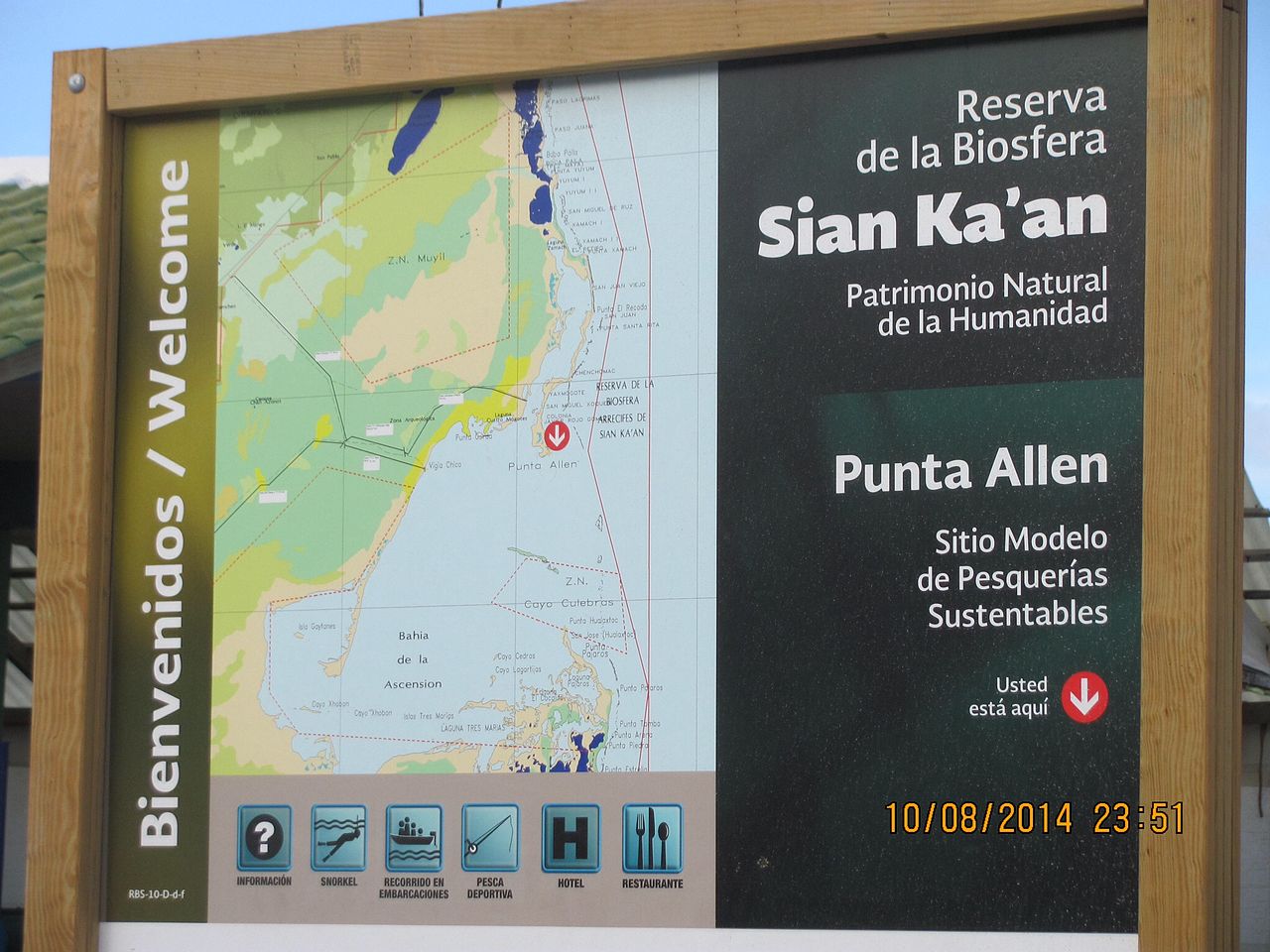
Common mistakes in choosing between them
Booking Tulum for an effortless beach holiday
Tulum can deliver a beautiful beach stay, but the destination’s geography and access make it more complicated than a compact resort town. Choose the exact beach area deliberately.
Booking Akumal for nightlife and restaurant variety
Akumal is not a smaller version of Tulum. Its quiet character is the point. If you want late nights and a long restaurant shortlist, stay in Tulum or plan an occasional evening transfer.
Treating Akumal turtles as guaranteed entertainment
Wild animals are not scheduled attractions. Follow conservation rules, accept that sightings and water visibility vary, and never pressure a guide to approach too closely.
Assuming “near Tulum” means central Tulum
Read the map, not just the headline. A property outside town may be excellent for cenotes and nature but inconvenient for restaurants or beach access.
Planning too many water activities in one day
A turtle snorkel, cenote swim, beach visit, and long transfer can sound efficient on paper and exhausting in practice. Protect time for showers, food, drying gear, and delays.
Ignoring the return journey
A morning trip is only half the plan. Confirm how you will get back from a cenote, lagoon, beach club, or ruins area, especially if you are not driving.
Final decision
Choose Tulum if you want a flexible Riviera Maya itinerary with ruins, cenotes, restaurants, nightlife, day trips, and several accommodation styles. Accept that the town and coast are spread out, that taxis and transfers require planning, and that the beach may not look perfect every day.
Choose Akumal if you want a calm coastal base where turtle snorkeling, bays, lagoons, and nature set the pace. Accept the smaller dining and nightlife scene, check the exact location of your accommodation, and confirm current access rules before booking a water activity.
If your trip is long enough, the best answer may be both. Spend the part of the holiday that needs energy and variety in Tulum, then use Akumal for quiet water, slower mornings, and a gentler finish. That combination reflects the real difference between them: Tulum gives you more to organize and more ways to spend the day, while Akumal gives you fewer distractions and a clearer reason to stay by the sea.